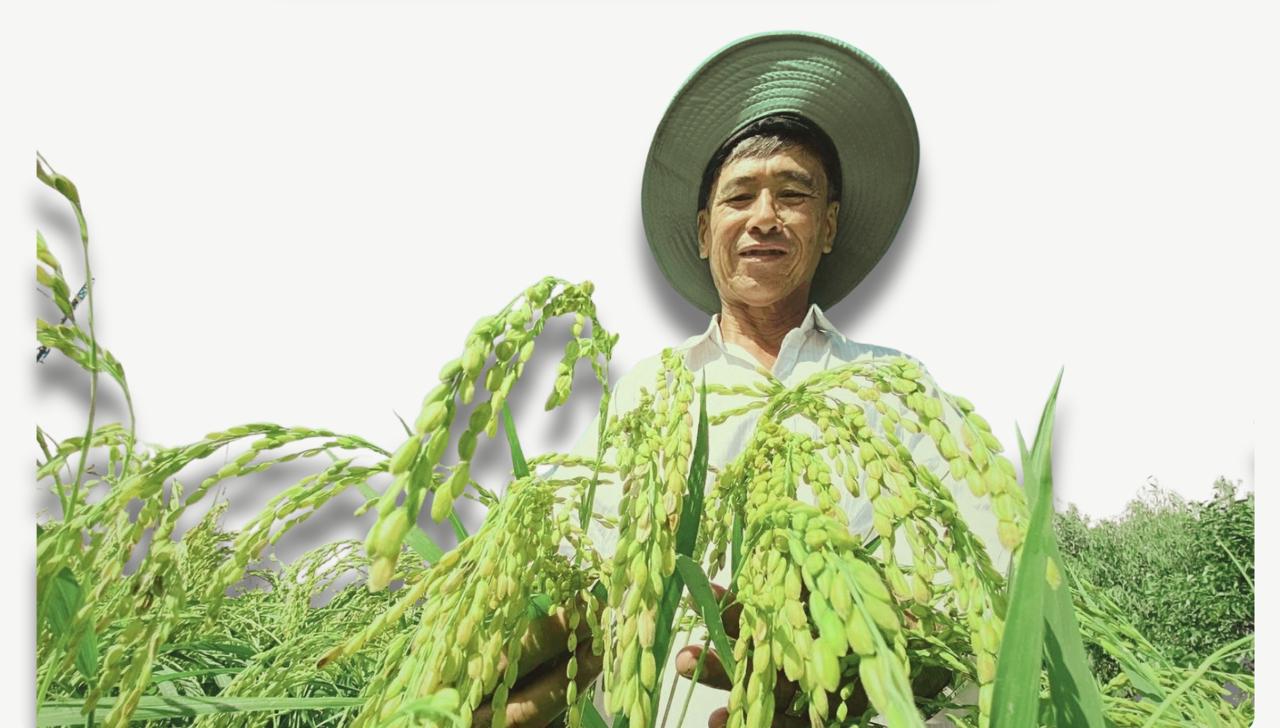
SPACE ASEAN officially introduced the ASEAN Biochar Initiative (ABI) in July 2026, marking an important step in its efforts to promote agricultural decarbonization and circular resource utilization across Southeast Asia. The initiative focuses on developing industrial-scale biochar opportunities using rice husks, a major by-product of rice milling, while supporting the transition toward more regenerative and sustainable agricultural systems. Designed to complement the ASEAN Impact Rice Initiative (AIRI), ABI broadens SPACE ASEAN’s regional sustainability approach from low-emission rice cultivation to the productive utilization of agricultural residues.
Rice production generates substantial quantities of rice husks during milling. Although these residues can serve various purposes, they also present opportunities for higher-value applications through appropriate processing technologies. Biochar is a carbon-rich material produced through the thermal conversion of biomass under oxygen-limited conditions. Depending on the production process, quality standards, and end-use requirements, biochar can offer potential applications in soil improvement, long-term carbon storage, and industrial products. By focusing on rice husks, ABI aims to explore opportunities that connect agricultural residue management with green technology, circular economy principles, and commercially viable value chains.
The ASEAN Biochar Initiative is designed to develop alongside AIRI, SPACE ASEAN’s regional program for promoting low-emission rice cultivation. While AIRI focuses on reducing emissions associated with rice production, ABI explores complementary opportunities to create value from residues generated during rice milling. Together, the initiatives represent a broader vision for decarbonizing the rice value chain, from agricultural production to post-harvest resource utilization. ABI builds on collaboration among partners in the United States and Southeast Asia, including Cambodia, Indonesia, Laos, Myanmar, the Philippines, Thailand, and Vietnam.
Developing viable biochar projects requires more than access to agricultural residues. Potential projects must also consider feedstock supply, technology suitability, operating conditions, product quality, environmental performance, market demand, and commercial feasibility. ABI therefore seeks to foster cooperation among rice mills, technology providers, local implementation partners, research institutions, and potential investors. These partnerships can support technical assessments, project development planning, and the identification of commercially promising opportunities across the region.
Through ABI, SPACE ASEAN aims to contribute to the decarbonization of rice value chains while promoting regenerative agriculture and new opportunities for agricultural resource utilization. As the initiative develops, SPACE ASEAN will continue engaging with regional stakeholders to evaluate potential project locations, suitable technologies, and implementation pathways. The ASEAN Biochar Initiative reflects SPACE ASEAN’s broader mission to connect international expertise, green innovation, and sustainable investment opportunities in support of long-term development across Southeast Asia.