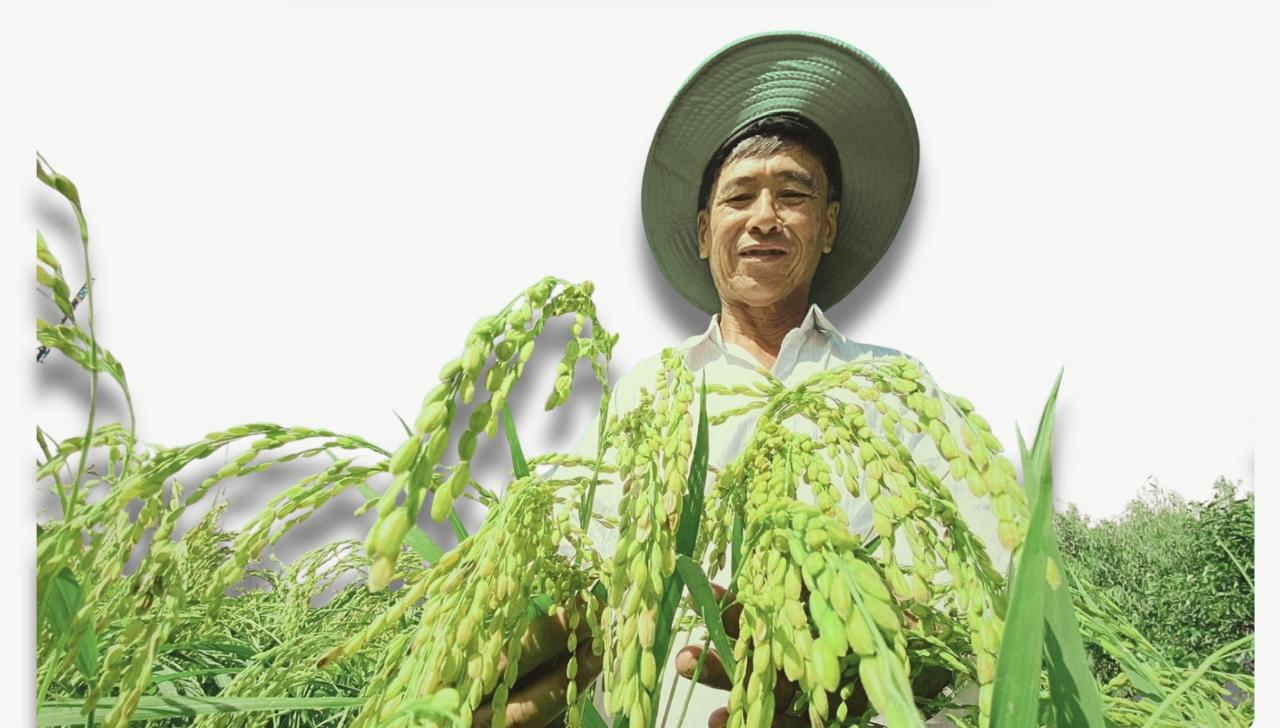
A group of SPACE ASEAN and AgriCapture are partnering on “1M Hectares of Impact Rice for ASEAN” to accelerate climate-smart rice across the region. The collaboration aligns shared expertise, local networks, and credible carbon approaches to support AWD adoption and verified outcomes. Together, we aim to deliver practical implementation, transparency, and long-term impact for farmers.
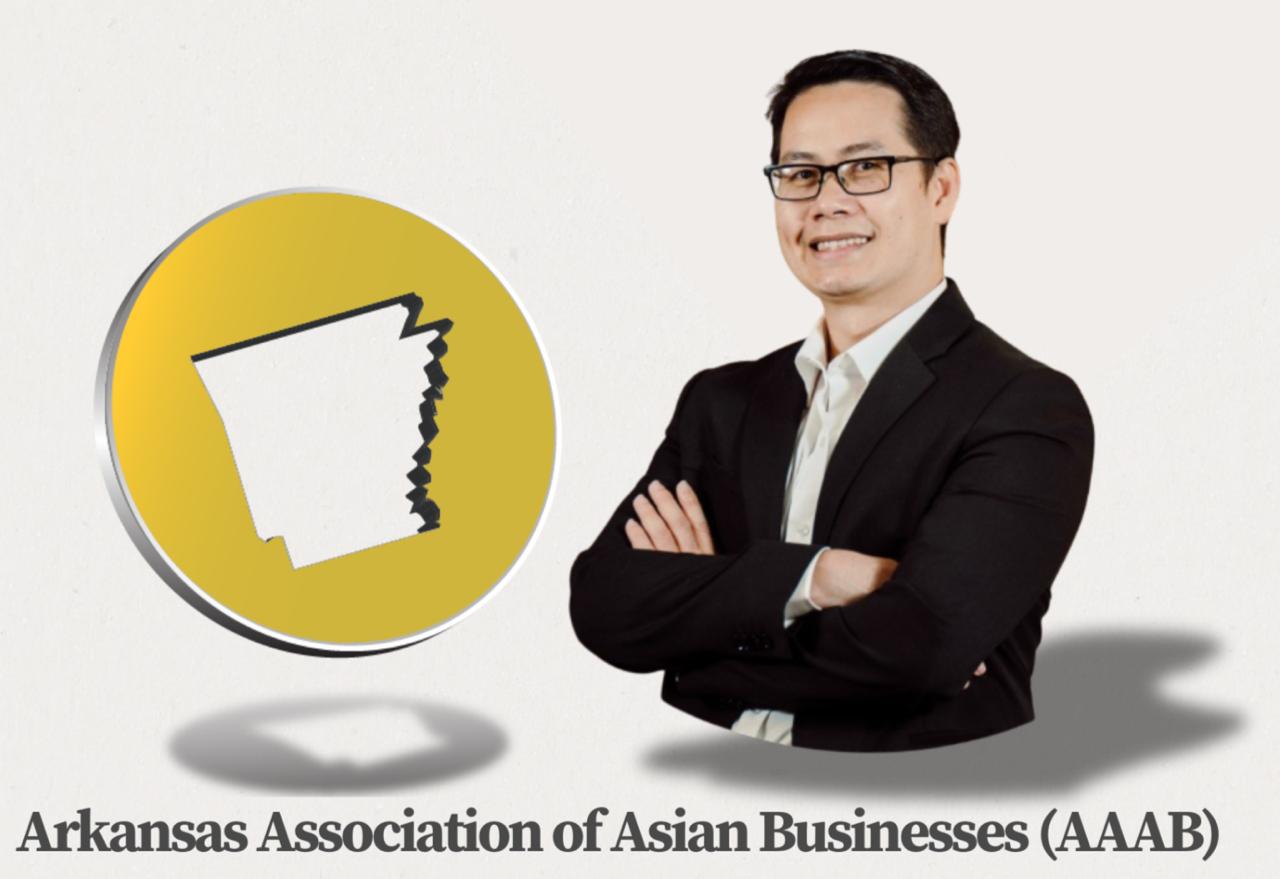
AAAB Board Seat (Term Starting 2026)
Dr. Bao Hoang has been elected to a board seat on the Arkansas Association of Asian Businesses (AAAB), recognizing his leadership in strengthening Arkansas–Asia business ties. The appointment begins January 1, 2026, for a two-year term, reflecting AAAB’s emphasis on mission driven service and sustained engagement. This milestone further supports long-term collaboration between U.S. stakeholders and Southeast Asia in sustainability-focused sectors.
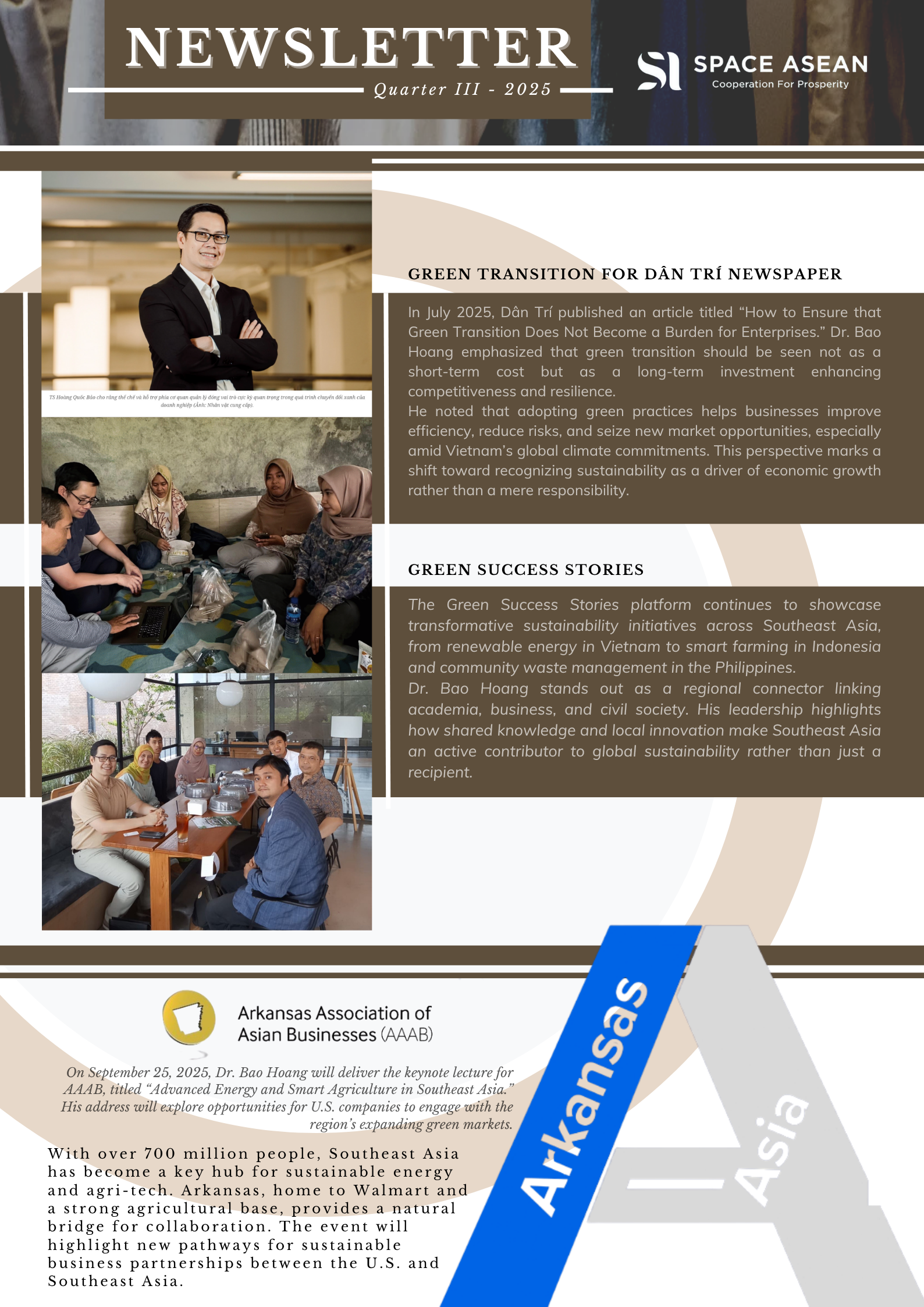
SPACE ASEAN | Newsletter Q3 – 2025
🌿 SPACE ASEAN | Newsletter Q3 – 2025 🌏 The third quarter of 2025 marked a period of meaningful progress for SPACE ASEAN in advancing regional sustainability and cross-border collaboration across Southeast Asia. ✅ Green Transition for Dân Trí Newspaper In his recent feature on Dân Trí, Dr. Bao Hoang emphasized that green transition should not be viewed as a short-term cost but rather as a long-term investment enhancing business competitiveness and resilience. His perspective reframes sustainability as a driver of economic growth instead of a mere responsibility. ✅ Green Success Stories The Green Success Stories initiative continues to highlight transformative sustainability practices across Southeast Asia — from renewable energy in Vietnam to smart farming in Indonesia and community waste management in the Philippines. These efforts demonstrate how shared knowledge and local innovation strengthen regional resilience. ✅ Partnership with Arkansas Association of Asian Businesses (AAAB) On September 25, 2025, Dr. Bao Hoang will deliver a keynote address on “Advanced Energy and Smart Agriculture in Southeast Asia.” The event will explore new pathways for sustainable business partnerships between the United States and Southeast Asia, emphasizing clean energy and agri-tech cooperation. ✅ Formation of the Blue-Green Alliance (BGA) SPACE ASEAN, together with the Global Sustainable Futures Network and AgriTC, launched the Blue-Green Alliance in Lombok, Indonesia. The initiative promotes renewable energy, marine conservation, and sustainable tourism, fostering interconnected “Blue-Green” economies across the region. ✅ Establishment of the SPT Alliance in Myanmar The SPT Alliance, formed by SPACE ASEAN, PyJuliaR Consulting, and the TIN Association, aims to strengthen Myanmar’s sustainable rubber industry through responsible practices and inclusive growth. Its focus lies in empowering local farmers and aligning regional production with global sustainability standards. 🌏 Through these initiatives, SPACE ASEAN reaffirms its mission to serve as a regional connector linking academia, business, and civil society, positioning Southeast Asia as an active contributor to global sustainability and innovation.
US-ASEAN 100 Invitation to join
🚀 Introducing the US-ASEAN 100: Accelerating Innovation, Trade & Green Growth 🌱🌏 We’re proud to launch US-ASEAN 100, a bold initiative connecting 100 high-impact projects over 100 weeks to drive green innovation, inclusive trade, and sustainable development across the U.S. and ASEAN regions. 🌾 From empowering farmers and supporting AgTech startups, to advancing carbon credit projects, digital trade infrastructure, and cross-border policy innovation — this initiative is building a resilient, low-carbon, and equitable future. ✨ Our Vision: A digitally connected ecosystem where disadvantaged groups thrive, innovation flourishes, and trade becomes a force for good. 🔗 We’re inviting: 🌍 Innovators & AgTech startups 👩🏽🌾 Farmers & Cooperatives ♻️ Carbon Project Developers 💰 ESG Investors & Donors 🏛️ Policy & Trade Stakeholders 💡 Join us to: ✔️ Pilot sustainable projects ✔️ Integrate carbon & commodity trading ✔️ Empower farmers through digital and financial inclusion ✔️ Co-create frameworks for innovation and green trade 📢 Register your interest, collaborate on pilot projects, and join our kickoff event across the ASEAN region and the US: https://docs.google.com/forms/d/e/1FAIpQLSdQL8ZF9Dqm6cdlL-FE8_PXr-RRD-sAjOCfl742sFNEpIGz1w/viewform?usp=sharing&ouid=113031161669396073710 🌿 Let’s shape the future of impact trade together. 📩 Contact: Dr Bao Hoang – baohoang@spaceasean.com Dr Renuka Thakore – ceo@gsfn.co.uk
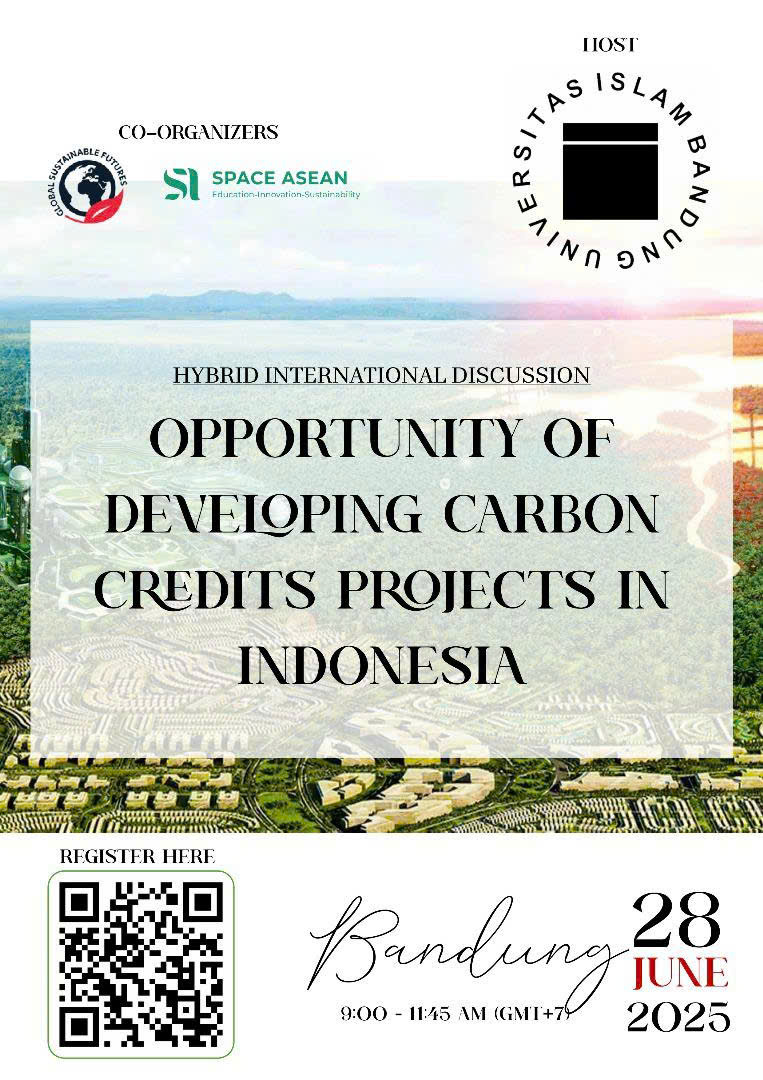
Join us for a hybrid seminar
Join us for a hybrid seminar: “Opportunity of Developing Carbon Credits Projects in Indonesia”! The event will be held on Saturday, June 28th 2025, from 07:30 – 12:00 WIB (UTC+7), at Universitas Islam Bandung (Unisba) and online via Zoom. Equivalent to: 01:30 – 06:00 BST | 02:30 – 07:00 CEST | 18:30 – 23:00 MDT (Canada) | 19:30 – 24:00 CDT (USA) on June 27th. Learn from industry experts on topics such as: * Vision and Mission of US-ASEAN 100 * Carbon Credit Development from Forestry Sector * Mangrove-Based Carbon Credits Project: A Nature-Based Solution * Experiences in Carbon Capture and Credit Development in Canada * Low Carbon Business Models for Farmers and MSMEs * Innovating Carbon Monitoring * University engagement in carbon credit markets and emission reduction through food waste processing innovations among SMEs Don’t miss this valuable opportunity!
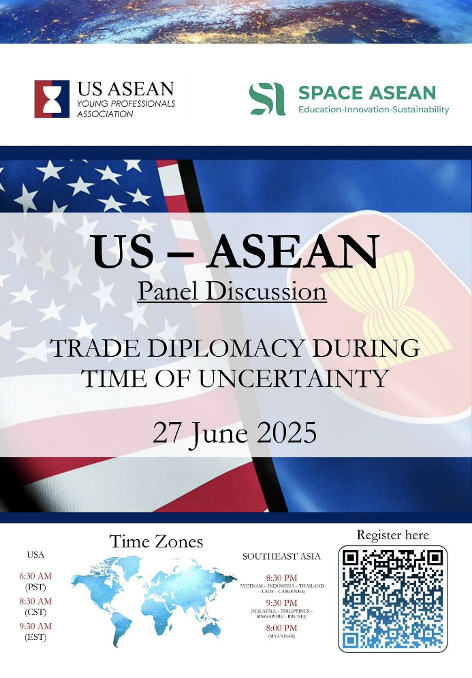
Keynote Speaker: Dr. John Kent
Dr. Kent has been the Vietnam Central Government‘s Strategic Advisor. He is also a Supply Chain Diplomat for My Thuy International Port (MTIP) in the Province of Quang Tri and policies related to Free Trade Zones (FTZs). He has been well-known for his diplomacy in logistics, explicating what the U.S. and China should do to resolve the trade conflict. Dr. Kent also perceives Vietnam’s strategic role in the Global Value Chain (GVC). Dr. Kent was a Senior Fellow at the George H.W. Bush Foundation for U.S.-China Relations. He was also a Clinical Professor and Director of the Supply Chain China Initiatives and Supply Chain Management Research Centre Director at Sam M. Walton College of Business. Dr. John Kent obtained a Ph.D. in Logistics and Marketing from the University of Tennessee, an MBA in International Business from the University of Dallas, and a BS in Computer Science and Management from Henderson State University.
US-ASEAN Trade Diplomacy
Free trade among nations is widely regarded as a powerful catalyst for economic growth, peace, and improved standards of living – fostering a more prosperous and interconnected global society. Amid a rapidly shifting geopolitical landscape, Southeast Asia has emerged as a region of growing strategic and economic importance to the United States. In early 2025, global markets and supply chains are weathering the shock of President Donald Trump’s reimposed trade tariffs. Southeast Asia, home to some of the world’s most export-dependent economies, is among the hardest hit, facing steep reciprocal tariffs from the U.S. This online expert panel discussion seeks to unpack how leaders across sectors are navigating this renewed phase of trade negotiations. Co-facilitated by the US-ASEAN Young Professionals Association and SPACE ASEAN, the discussion will highlight the critical role of economic diplomacy in fostering resilient, inclusive, and sustainable growth across trade actors in the U.S.-ASEAN network during this time of flux
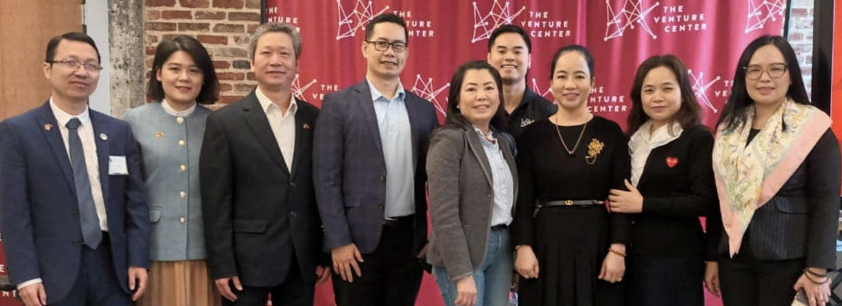
Meeting with Delegation from Vietnam
Meeting with Delegation from Vietnam
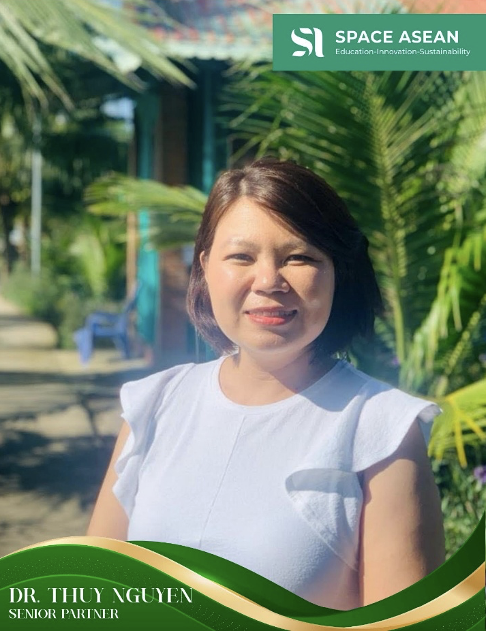
Welcome Dr. Thuy Nguyen to SPACE ASEAN as our Senior Partner!
Dr. Nguyen is staunchly committed to advancing sustainability, circular economy principles, and net-zero emissions. She has great expertise in ecolabel criteria development, green public procurement, green credit trust fund mechanisms, and ESG. Dr. Nguyen is proficient in geospatial and hydrological modeling and automation. These quantitative skills enable her to deliver data-driven solutions for organizations. She strives to inspire innovation, advance education, and support organizations with their sustainability commitments. Dr. Nguyen obtained her Ph.D. in Civil, Sustainable, and Environmental Engineering from Arizona State University.
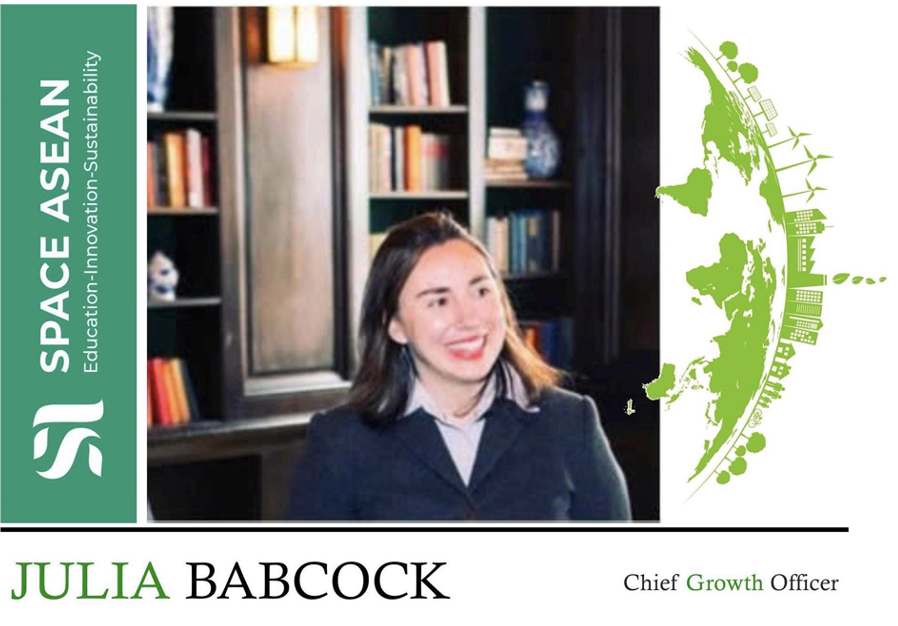
Welcome Ms. Julia Babcock to SPACE ASEAN’s Leadership Team as Chief Growth Officer!
Ms. Julia Babcock is currently the Founder and Principal of New Rose City Consult bringing 20 years of experience in public policy, sustainable development and project/grant management. Since 2011 she has led training and education programs for the Viet Nam Oregon Initiative Network, leveraging over $20 million from Intel, USAID, the US Embassy, the State Department and US universities. She has played a significant role in strengthening the relationship between the State of Oregon and Vietnam. Since 2015 she has served as adjunct faculty for field courses on executive leadership, community development and study abroad programs in SE Asia. Julia has a Master’s in Urban and Regional Planning from Portland State University and a Bachelor’s in English with minors in Geography and Planning from University of Florida. She has training in Basic Mediation, the Gender Advisor Program through the Department of Defense and obtained a Certificate of Completion from the Preservation Institute of Nantucket.
