
In the first half of 2024, the U.S. Environmental Protection Agency (EPA) and the European Environment Agency (EEA) introduced climate risk assessments and adaptation plans for their respective continents. The EPA states that climate change has created devastating consequences, including the costs of lives, disruption of livelihoods, and billions of dollars of damages. These impacts would become more intense in the coming years. Similarly, the EEA points out that climate change creates more severe consequences in Europe. Indeed, the EU has experienced extreme precipitation, large-scale floods, extreme heat, and large wildfires, resulting in dire impacts on agriculture, health, ecosystems, infrastructure, economy, and others. After assessing the climate risks, the two most significant environmental agencies have identified some priorities the two governments should enact to mitigate the consequences of climate change. Indeed, the U.S. EPA will implement five key initiatives. They include (1) the integration of climate adaptation into EPA programs, (2) partnership with various stakeholders, (3) the implementation of measures to protect the Agency workforce, (4) the measurement and evaluation of performance, and (5) the identification and address of climate adaption science needs. The EEA proposes some priorities that are even more progressive than those in the U.S. First, the agency identifies five climate risk cascades, including food, health, ecosystems, infrastructure, and economy and finance. In the next step, the EEA proposes specific priorities and policies that help mitigate each type of cascade. For example, to respond to the climatic-induced risks related to food, member states in the EU should develop sustainable and transformative agricultural practices. To alleviate climate risks related to infrastructure, the Union should improve the resilience of its infrastructure, including transportation, energy, and so on. The climate risk assessments and adaptation plans from the two most significant environmental agencies highlight the severe consequences of climate change. It also implies that the U.S. and the EU are likely to be stricter on regulations related to GHG emissions and other environmental pollution activities. In other words, foreign firms involved in doing business in these two continents should be highly alert to new environmental regulations that are expected to come soon. Author: Bao Hoang, Ph.D.

Revisiting the Paris Agreements and Its Current Implementation Status
At the Conference of the Parties 21 (COP 21) in Paris on December 12th, 2015, the international community reached one of the most significant milestones in the combat against climate change and global warming. Indeed, 195 Parties entered a legally binding international treaty on climate change called the Paris Agreement. The supreme purpose of the Agreement is to keep the increase in the global average temperature below 2o C or limit the temperature increase to 1.5o C above pre-industry levels. The Paris Agreement emphasizes several themes, including Nationally Determined Contributions (NDCs), Long-Term Strategies, Climate Change Education, Training, & Public Awareness, Market and non-Market-Based Approaches, and Financial, Technical, & Capacity Building Supports. The Agreement asks for the developed countries to provide financial and technical support for developing countries in the transition to low-carbon economies. After the Paris Agreement was adopted, the EU has been the most aggressive in pursuing net-zero objectives. Indeed, the Continent passed various measures, regulations, and frameworks to actualize this goal. These frameworks include the EU Green Deal, EU Taxonomy for Sustainable Activities, Sustainable Finance Disclosure Regulation (SFDR), Carbon Border Adjustment Mechanism (CBAM), the EU Deforestation Regulation (EUDR), the Corporate Sustainability Reporting Directive (CSRD), and others. The U.S. has also stepped up its efforts toward the net zero target by issuing various measures and frameworks, including ten key climate priorities in the Inflation Reduction Act, Climate Change Disclosure Rules from the SEC, and new guidance on the voluntary carbon market. The other developed countries have also stepped up channeling their resources toward a low-carbon economy. However, developing countries still need to create work on developing and implementing climate-related policies due to the lack of expertise and resources, given they all are committed to the net-zero target in 2050. Developing countries contribute half of GHG emissions, and they need a little fossil fuel for a while to propel their economic engines. In addition, renewable energy is still expensive. Achieving net-zero targets in developing countries seems to rely on the rich countries’ willingness to provide green technology and financial assistance. Author: Bao Hoang, Ph.D.

The EU’s Sustainable Finance Disclosure Regulation (SFDR) and Its Consequences for Investment Firms in Emerging Markets
In the past several years, the EU has passed the most regulations and measures to guide and promote sustainability and ESG activities among businesses. The SFDR was issued almost at the same time as other climate-related measures, including EU Taxonomy and the European Green Deal. It cements the leading efforts of the continent to mitigate the adverse impact of climate change. The finance sector will play a significant role in helping the world achieve the net-zero target in 2050. There will be an investment of around $ 5 trillion in the green economy yearly from now to 2030 worldwide, and 40 % of this amount will be invested in emerging economies. However, investment firms in emerging economies are still waiting to adapt to the SFDR, although it was influential in the EU in early 2023, about three years ago. The regulation includes 20 articles that require financial market participants such as investment funds, portfolio management, pension funds, and others to disclose Principle-Averse Impacts (PAIs). The PAIs are a set of mandatory indicators and metrics that display some sustainability-related risks created by investing activities. However, investment firms in emerging economies have still lagged behind the SFDR’s requirements in terms of disclosing sustainability risks associated with their investing behaviors. Current research from Morgan Stanley Capital International indicates that investment firms in emerging economies are profoundly different from their counterparts in developed countries in social indicators disclosures. Specifically, the investment firms in emerging markets fell short far more often than those in developed countries. They also trail on GHG emissions-related indicators. The underperformance of these PAI indicators raises severe issues in capital transfer from developed countries to emerging countries. As a result, the effort to combat global warming has been significantly negatively affected. To facilitate the capital transfer from advanced countries to invest in green economies in emerging markets, investment firms here should step up the efforts of being transparent in investment activities. In addition, they should develop good practices in disclosing the PAI indicators set by the SFDR. Author: Bao Hoang, Ph.D.

ESG and the Trend in M&A in 2024
According to the latest report released by Deloitte in June 2024, corporations and private equity funds have increasingly focused on their own ESG profile and that of their targets. The survey was carried out on a sample of 500 global M&A leaders. These correspondents are North America, Europe, the Middle East, and Asia Pacific (APAC). Following are the significant findings from the survey. More than 50% of the organizations in the sample are more transparent and specific about the metrics used to assess their ESG performance. There is an 18 per cent increase compared to only two years ago. Interestingly, firms in some specific industries, including technology, media, telecommunications, financial services, and consumer, experience bigger improvements than those in others. This phenomenon may come from the fact that these industries are closer to the mass customers, so they are more concerned about their customers’ perceptions regarding sustainability-related activities. The report shows that more than 80% of the acquirers will likely abandon the M&A deals if their targets have a poor ESG profile. Furthermore, almost 100% of the acquirers will likely buy the targeted firms at a discount if the acquired have poor ESG profiles. The private equity respondents even pay more attention to ESG and sustainable investing. Indeed, 72 % of private equity acquirers carefully consider the targets’ ESG profiles in more than 50% of the deals. According to the report, the ESG program has become integral to the M&A strategy. In other words, a firm’s ESG profile is a reason for initiating an M&A deal in the first place. Indeed, approximately 70 % of the surveyed correspondents indicate that they evaluate their investments or portfolios from the perspective of ESG before seeking out an acquisition deal or divestiture. In addition, ESG significantly affects an M&A’s valuation. 83% of M&A leaders in the survey suggest that they are willing to pay a 3% premium for a target company with a strong ESG profile. On the contrary, they will look for a discount of at least 3% if the targets have a weak ESG profile. Author: Bao Hoang, Ph.D.
Project
Senior Partner: Dr. Newsha Ajami Client organization: California State Legislature Project’s focus: Integrating Science into the Policy-Making Process Tasks: Analyzing proposed natural resources legislative bills; Staffing bills on energy efficiency and toxic substance control; Writing briefing papers on invasive species and forecasting models.
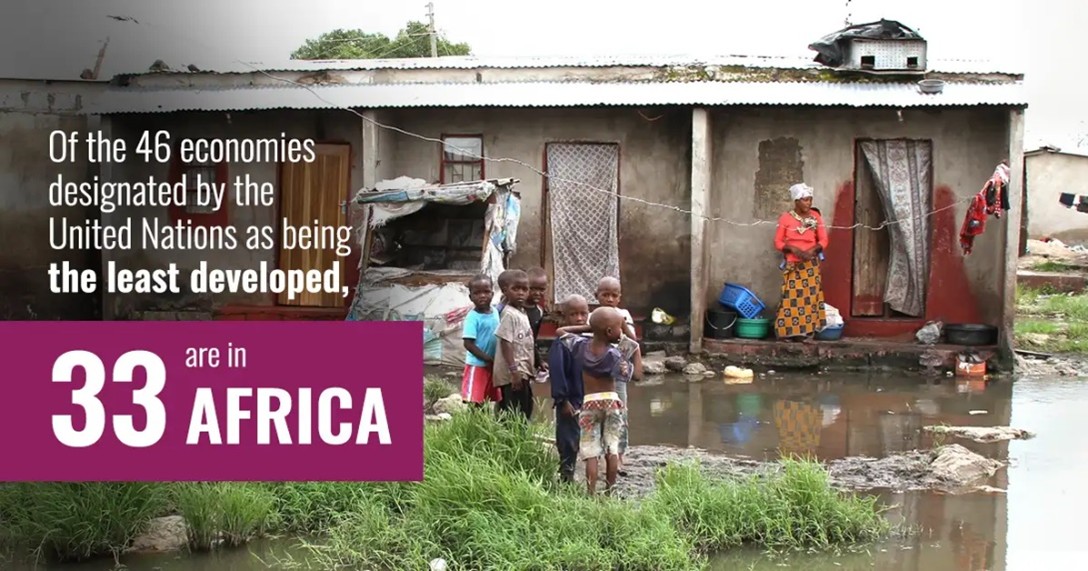
Mzima, Inc: Improving Lives For Children In Kenya
Dr. Stephen Juma, one of our senior partners, is dedicated to improving the lives of children in Kenya, an underdeveloped country in East Africa. He had the opportunity to receive a decent education in the United States. He earned his Ph.D. in Marketing from Virginia Tech several years ago and currently works as an Assistant Professor of Marketing at Southern Arkansas University. His sympathy for the underprivileged, along with his great academic career in the United States, inspired him to help the destitute in Kenya. Mzima, Inc., a non-profit organization in Magnolia, Arkansas, was founded in collaboration with the Kenyan community. According to his perspective, Mzima means “life” in Swahili, Kenya’s native language. Mzima’s ultimate purpose is to break the cycle of poverty by assuring children’s access to school and empowering Kenya’s young. His social organization aspires to provide an atmosphere in which children can develop into healthy, educated, and resilient persons who will use their talents to benefit their communities and the globe. Indeed, malnutrition is a major issue on the African continent. His social project aims to eliminate hunger among youngsters in the country. This mission is consistent with the United Nations’ Sustainable Development Programme. This ambitious vision cannot be realized without the involvement of the local community. As a result, Mzima has collaborated extensively with Kenyan communities to find long-term solutions to malnutrition and other fundamental kid needs. His commitment is to ensuring that every child can thrive in an environment free of health or gender hurdles that impede their education and personal development. Indeed, children represent the world’s future. Providing kids with adequate resources for growth and education lays the groundwork for a more prosperous and sustainable world, and Dr. Juma is contributing to this noble cause. Author:Quyet Pham, Ph.D.
Dr. Michael Taiwo: A Hydrogen Scientist And An Enthusiastic Social Entrepreneur
Dr. Taiwo is a Nigerian native and came to the United States (U.S.) for his Ph.D. education in Chemical Engineering at the University of Arkansas, the flagship university of the southern state. After finishing his doctoral program, he started working as a senior hydrogen specialist at Shell USA, the American branch of Dutch Royal Shell, which is one of the largest oil producers worldwide. Although Dr. Taiwo has had a successful career in the U.S., he has always remembered the disadvantages that many young people face in poor countries. This compassion prompted him to establish the Michael Taiwo Scholarship in 2019. The ultimate goal of the scholarships is to empower academically brilliant yet financially disadvantaged students from developing countries. The scholarships provide crucial support and comprehensive mentorship for these students to enable them to obtain graduate studies in prestigious institutions worldwide. The scholarships cover exam fees, application costs, and other experiences for a total average amount of around $ 1,000for each student. Besides the financial support, the scholarships also provide other crucial programs, including student mentorship through exam preparation, essay writing, school selection, and visa interviews. The students are immersed in the support of the global network of professionals. Over the years, Dr. Taiwo’s initiative has received over 30,000 applications, and 170 scholarships have been awarded. These scholarships have changed the lives of many students in disadvantaged circumstances by helping them enter elite universities, including Stanford University, Yale University, Cornell University, and others. Looking forward, Dr. Taiwo aims to expand his initiative’s reach, increase the scholarship award numbers, and continue supporting scholars through a sustainable network that fosters educational and professional growth. Besides his work in helping students in poor countries, he is an enthusiastic advocate of green technologies and clean energy. He decided to quit his corporate lofty job several years ago to become an independent advisor for firms looking to integrate hydrogen into their energy mix. Dr. Taiwo supports the Operational Excellence of Hydrogen Refueling Infrastructure that, in returnhelps corporations generate positive cash flow. Author:Bao Hoang, Ph.D.
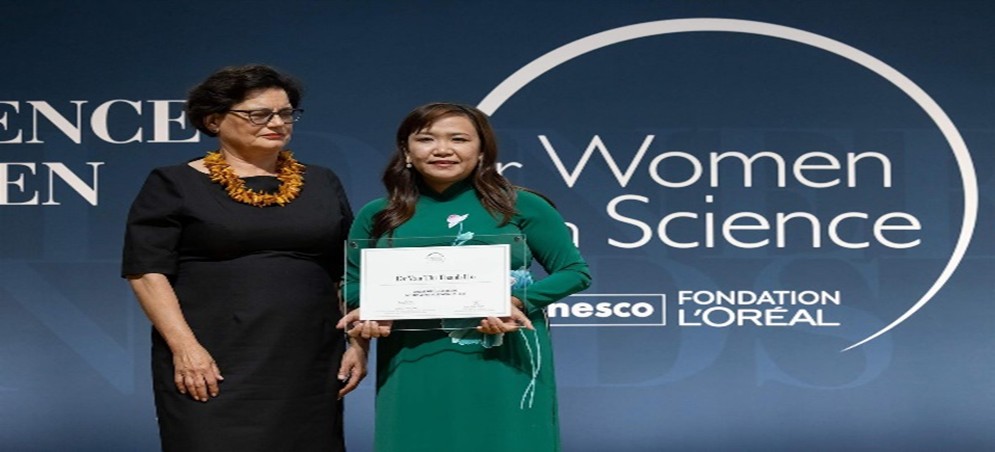
Dr. Ho Thi Thanh Van: A Pioneer Female Scientist Of Vietnam In Green Technologies
Dr Ho has been a familiar face in prominent Vietnamese media and the press. They feature her as a pioneer female scientist who is pursuing a research career in green technologies, including fuel cells and green hydrogen. Research on green technologies enables her to find new means for renewable and clean energy, resulting in the reduction in fossil fuel assumption that is the major driver of climate change. When reflecting on her decision to pursue this research stream, Dr Ho shared that only a few professors supported her research passion on cell fuel and green hydrogen at the beginning because these research areas were new and not familiar at that time. After finishing her Ph.D. program at the Taiwan University of Science and Technology, she decided to return to Vietnam. It was a tough decision, according to her reflection. Indeed, she was an accomplished young researcher with patent applications, so there were numerous career opportunities open for her abroad. In addition, there were many obstacles to carrying out her research on green technologies in Vietnam at that moment because of the need for more research facilities and support. However, she has never regretted her decision to return to Vietnam and continue pursuing research on clean energy. Together with the global movement toward sustainability and a low-carbon economy, Vietnam has especially paid attention to green technologies and clean energy in recent years. As a result, Dr. Ho’s research stream has become the pillar of the country and international community to decarbonize and combat climate change. Thanks to the courage that she has shown to overcome enormous barriers when pursuing research on green technologies and clean energy, she has been recognized with different prestigious awards, including the L’Oreal – UNESCO for Women in Science International Awards of the Year of 2019. Dr Ho was among the top 23 of the 100 Asian scientists in 2020. Asian Scientist Magazine voted on the list. Two years later, the UNESCO and the L’Oreal Foundation recognized her with the World Talented Young Scientist Award of the Year of 2022. Thanks to her inspiring and uplifting career, Dr. Ho was invited to be one of the keynote speakers at a prominent show called Cất Cánh, hosted by VTV1 (Vietnam Television). Author:Bao Hoang, Ph.D.
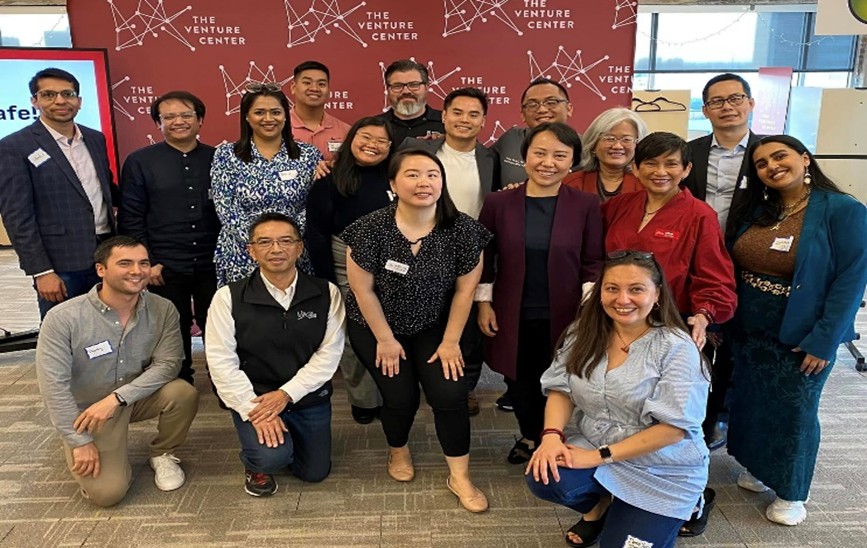
Sustainable Development: Promoting Entrepreneurship In Southwest Arkansas
The United Nations’ Sustainable Development Goals encompass a wide variety of important concerns that must be addressed jointly on a global scale. However, it may not be necessary to devise a comprehensive strategy to support these endeavors. The accumulation of activity at the local level will have large-scale results at the national or global levels. Based on this philosophy, Dr. Bao Hoang has led the Entrepreneurship Access Resource Network (EARN), a collaboration of representatives from the Magnolia Chamber of Commerce, Small Business and Technology Development Center, and Ranking College of Business to promote entrepreneurial activities in southwest Arkansas where has been economically poor, with significant poverty and unemployment rates. As chair of the EARN committee, Dr. Bao Hoang has collaborated with other committee members to discover resources that are beneficial to local entrepreneurs. He also collaborates with the Venture Center in Little Rock, the state capital, to develop an accelerator in the Southwest region of the state. The proposed accelerator will play an important role in encouraging innovation and establishing new, high-growth firms among Southern Arkansas University’s student body and the surrounding community. The project is likely to encourage entrepreneurial activity in the region, resulting in poverty reduction, economic development, and innovation, all of which are addressed in the UN’s sustainable development objectives. Dr. Hoang’s leadership of this effort qualifies him to serve as a mentor for AAPI Achieve, Arkansas’ first mentorship program for Asian-descendent entrepreneurs. The Venture Center, Arkansas’ primary entrepreneurial support institution, coordinated the one-year program. The mentor was initially paired with a mentee, and the two will meet monthly to discuss how to grow their present enterprises. Along with directing the EARN committee, the AAPI mentoring involves Dr. Bao Hoang in community service to promote entrepreneurship and innovation throughout the state Author: Riley Pham, Ph.D.
The EU’s New Climate And ESG Regulations And Their Implications For Firms In Southeast Asia
The European Union (EU) has been leading the world in the fight against climate change and global warming. The continent has recently introduced two measures that are deemed to significantly affect the firms in Southeast Asia and other developing countries. The first measure is the Carbon Border Adjustment Mechanism (CBAM), and the second one is the EU Deforestation Regulation (EUDR). The EUDR will be officially effective in 2025 and the CBAM in 2026. The application of these two measures would create the biggest challenge for global trade in recent years. The CBAM, commonly known as the carbon border tax, levies a fee on the carbon emissions associated with certain imported goods and products entering the EU market. This carbon tax applies to some imported commodities used in heavy industry. They include steel, aluminium, fertilizers, and cement. The proposal requires exporters of certain carbon-intensive commodities to document and report their carbon footprints if they want to sell them in the EU market. This new climate regulation is projected to have a significant impact on Southeast Asian firms, as many of them are major exporters of this carbon-intensive item to the EU. In addition to the CBAM, the EUDR poses hurdles for exporters who make goods on deforested land. Indeed, the EUDR prohibits the sale of products produced on deforested land since 2020 across the continent. The measure focuses on cattle, palm oil, coffee, rubber, soy, cocoa, and timber. This strategy causes problems for farmers in Southeast Asia, especially Malaysia, Indonesia, and Vietnam. Indeed, around 20% of Indonesian and Malaysian palm oil is exported to the EU market. Vietnam also ranks among the continent’s major coffee exporters. This policy also specifies how exporters can verifiably demonstrate that deforestation has not occurred on their current farms. Consequently, the EU has developed some observatory techniques, including satellite observations, to validate manufacturers’ reports. The CBAM and EUDR represent substantial hurdles for Southeast Asian enterprises since they lack ESG and decarbonization skills and expertise compared to their counterparts in industrialized countries. Indeed, creating an ESG report is a complex undertaking that typically takes years. Furthermore, decarbonization necessitates the adoption of new operating methods, such as investment in green technologies and the transfer to clean energies, both of which have historically been costly. This problem is exacerbated by the fact that businesses in underdeveloped or developing countries typically need more finance and technology. Author: Quyet Pham, Ph.D.
